Junk Science
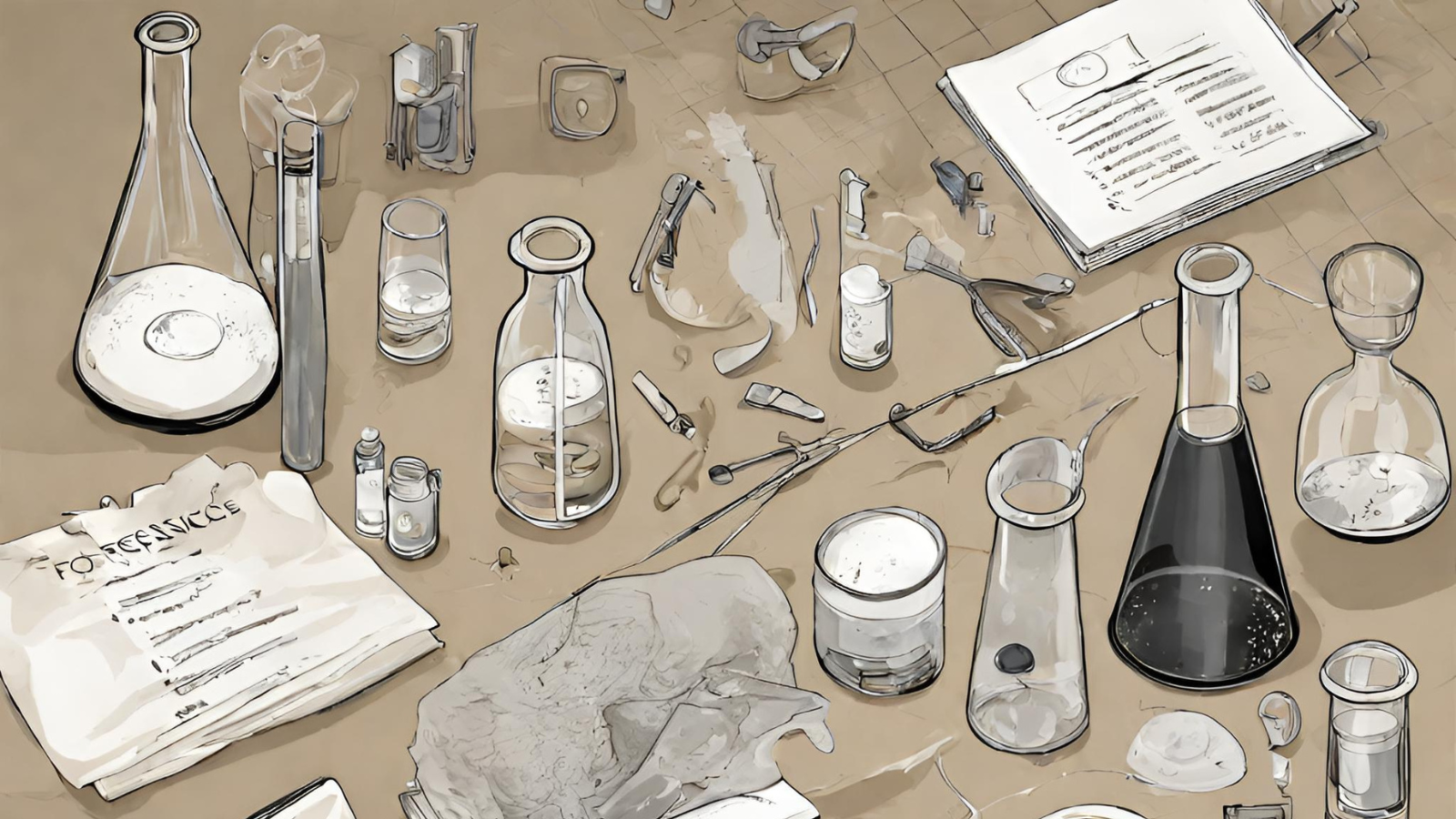
The last 120 years have seen incredible leaps forward in technology. What was once science fiction is now reality. Flights around the world, space exploration, artificial intelligence, and driverless cars are all part of our daily experience. The pace of innovation continues to accelerate as society races to keep up.
The same is true for our criminal justice system. Recent breakthroughs in forensic science have solved cases that were once thought impossible. But behind every new tool for law enforcement, countless people have suffered in its development. Not every science used to convict was reliable. Some methods are no longer used, while others are now treated with far less evidentiary weight.
Sciences like bite mark matching and hair comparison analysis were once thought to be as reliable as fingerprints. Today, they are considered far less accurate, though they are still sometimes used as supporting evidence. Fire investigations and child autopsies have evolved significantly, and even DNA matching—the gold standard—has occasionally provided misleading information.
This collection of debunked, de-emphasized, and misapplied forensic sciences is collectively called “junk science,” and it presents a real problem for the criminal justice system.
So what does this mean for the wrongfully convicted person still behind bars because of junk science? Sadly, not much. Criminal convictions are still very difficult to reverse after forensic methods are discredited. Part of the reason is that convictions are usually based on multiple pieces of evidence. Murder cases are complicated, and juries must often weigh multiple layers of competing scientific theories against each other.
Once a decision is made, the courts are extremely reluctant to overturn it—even when one piece of evidence is later proven false. In this podcast episode, we cover junk science, its history, and its impact on the criminal justice system.
Special thanks to our sponsor, Clio – Cloud-Based Legal Technology.
Written by:
Laurence Colletti