Plea Deals
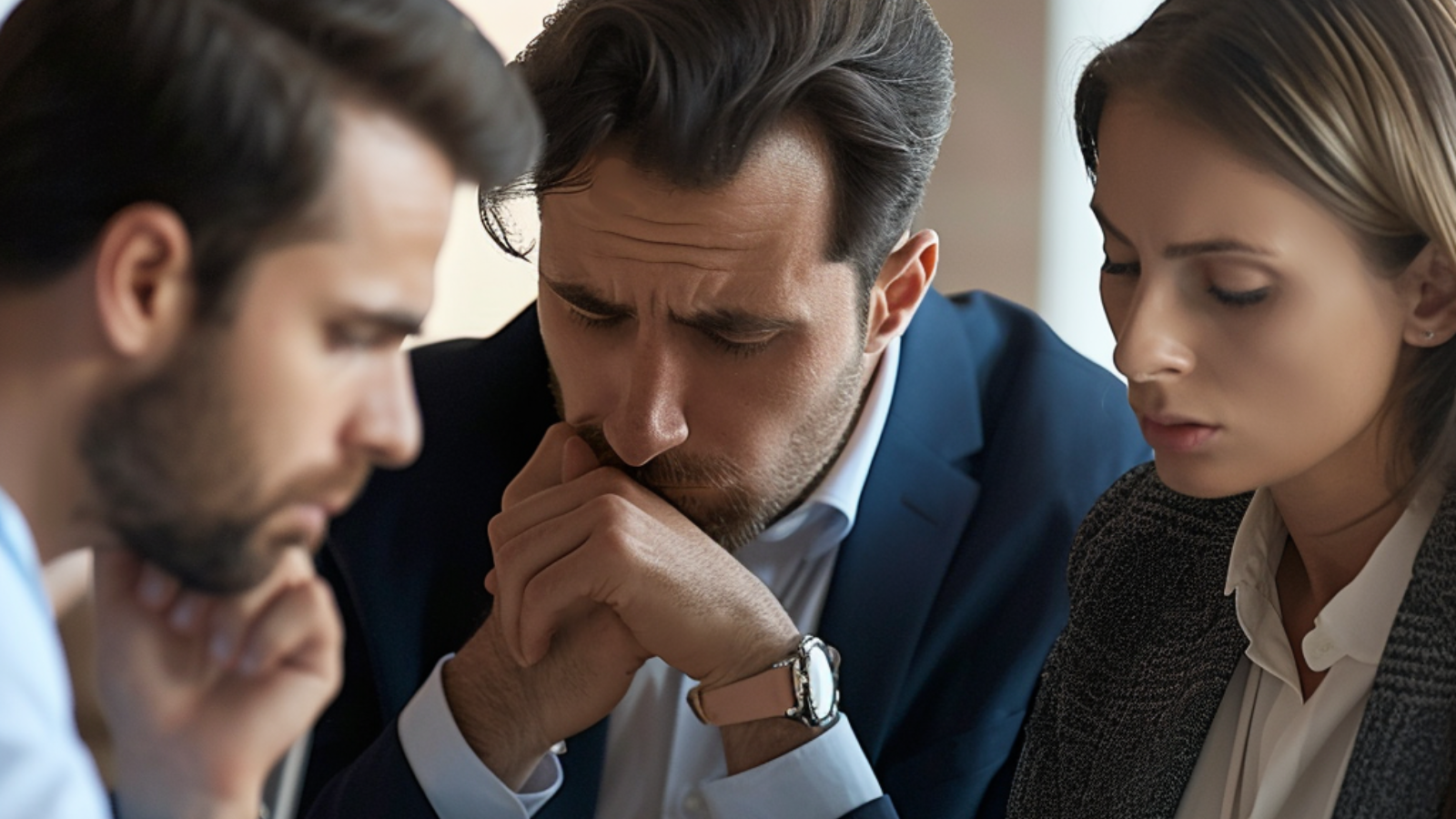
Plea deals are an essential part of our criminal justice system. Without them, overloaded courts would grind to a halt. Because plea deals circumvent the trial process, great care must be taken to avoid violating a defendant’s constitutional rights.
In the ideal situation, both sides give up something for a better deal. A prosecutor gives up a full trial in exchange for a suitable punishment without spending valuable resources. The defendant gives up their day in court in exchange for limiting the maximum punishment for the underlying offense. And that’s generally how it goes—until an innocent person gets involved.
So what would cause an innocent person to plead guilty? It happens, and it’s well-documented. Innocence attorneys believe there are many contributing factors. Justin Brooks, founder of the California Innocence Project, believes the “War on Drugs” raised the stakes for all defendants, innocent or not. Before that heightened enforcement, the longest sentence for a drug offense was about a year. Today, it’s not uncommon for someone to be sentenced to life under a “Three Strikes” policy.
Another factor that can push someone into prison under a plea deal is overcharging. Prosecutors routinely bring as many charges as reasonably possible at the beginning of a case to preserve their options for trial. Over time, some charges may be dropped while others remain. An innocent person unfamiliar with the criminal justice system can be terrified by the long initial list. If that person also has an unskilled attorney, they can be easily coerced into accepting a bad plea deal out of fear.
To hear a full discussion about the pros and cons of plea deals, tune in to the episode linked above. Host Michael Semanchik sits down with special guests Justin Brooks, founder of the California Innocence Project, and former Los Angeles County Prosecutor Wayne Little.
Special thanks to our sponsor, Clio — Cloud-Based Legal Technology.
Written by:
Laurence Colletti